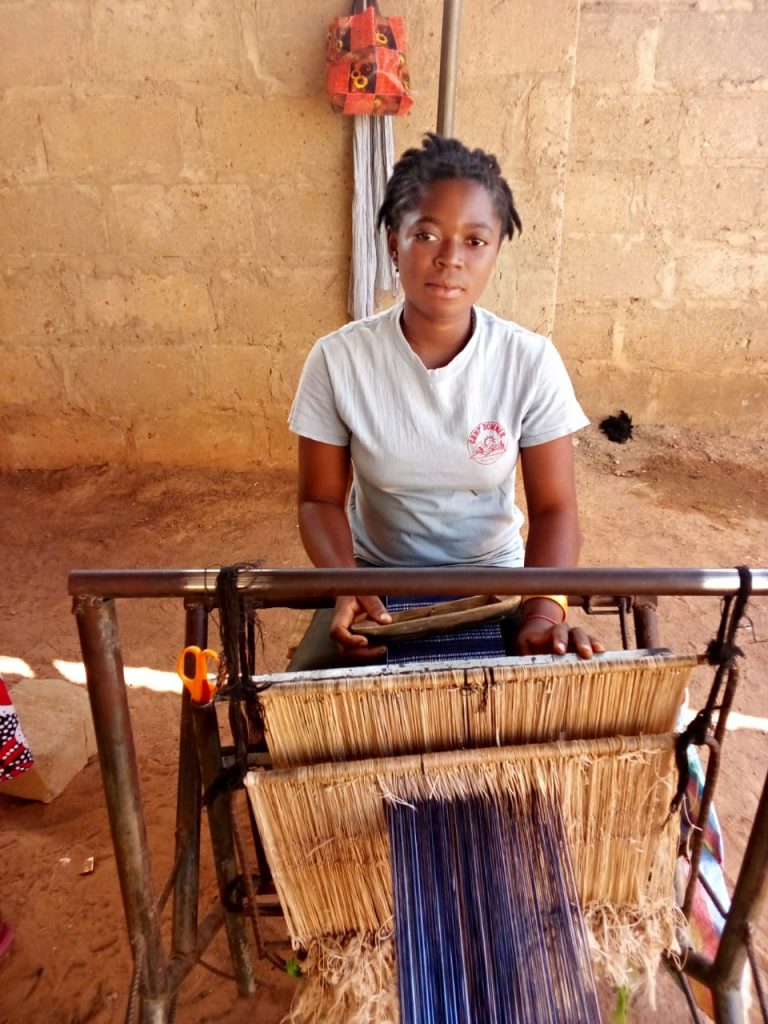
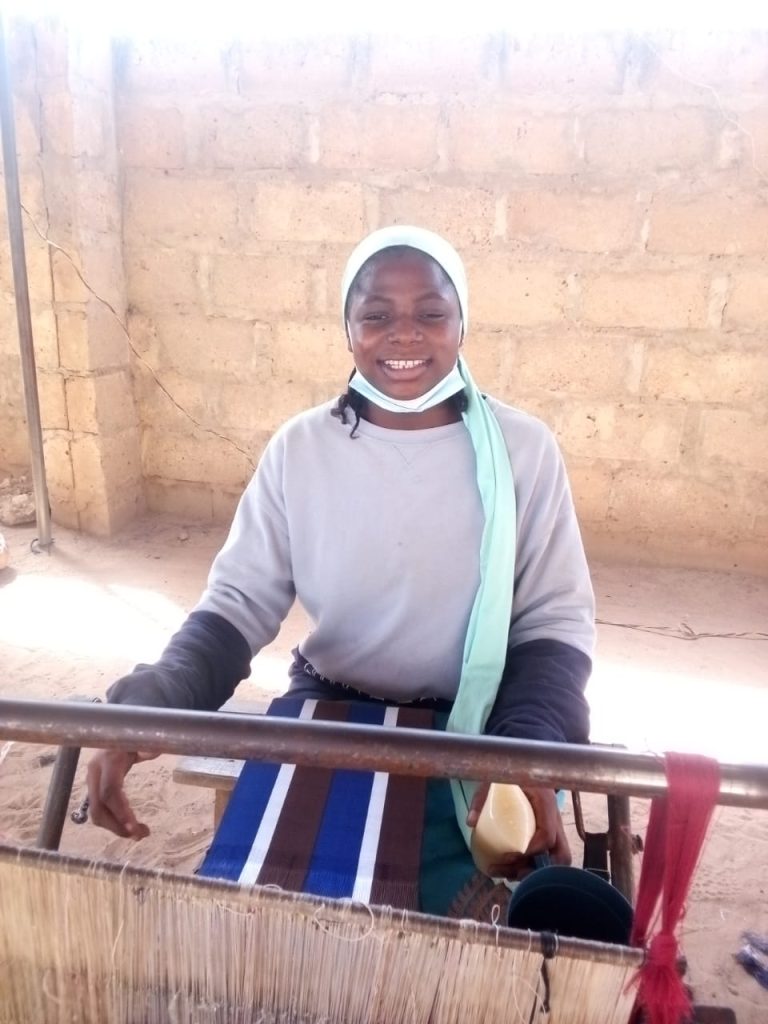
Women into Weaving Initiative (WIWI)
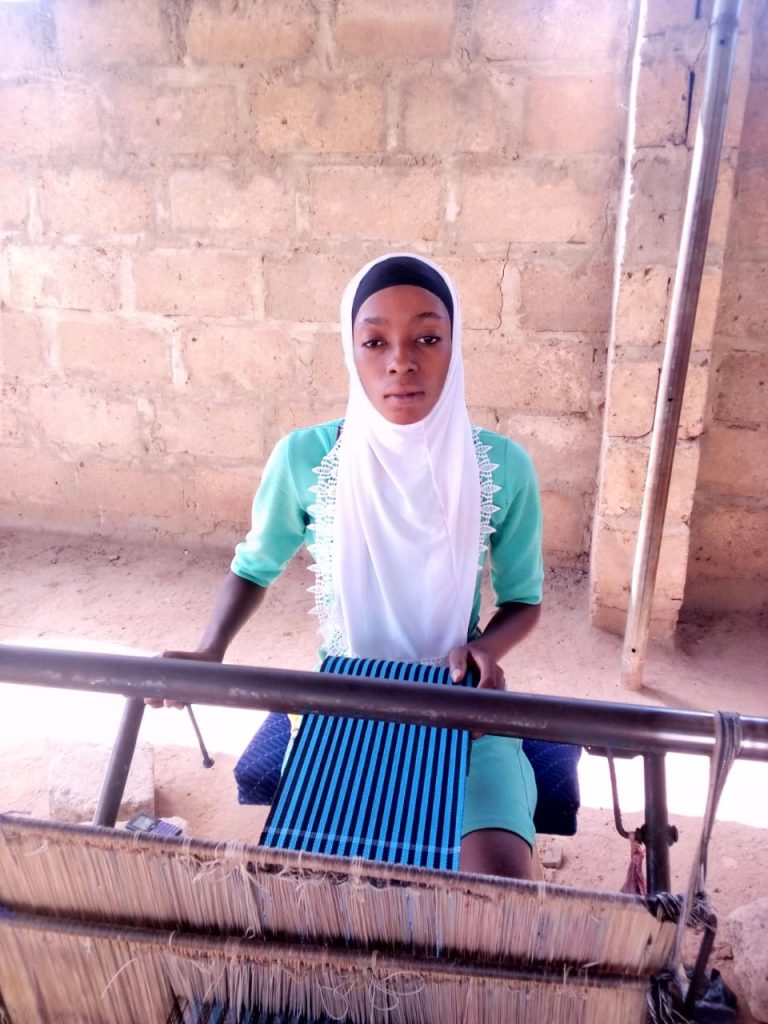
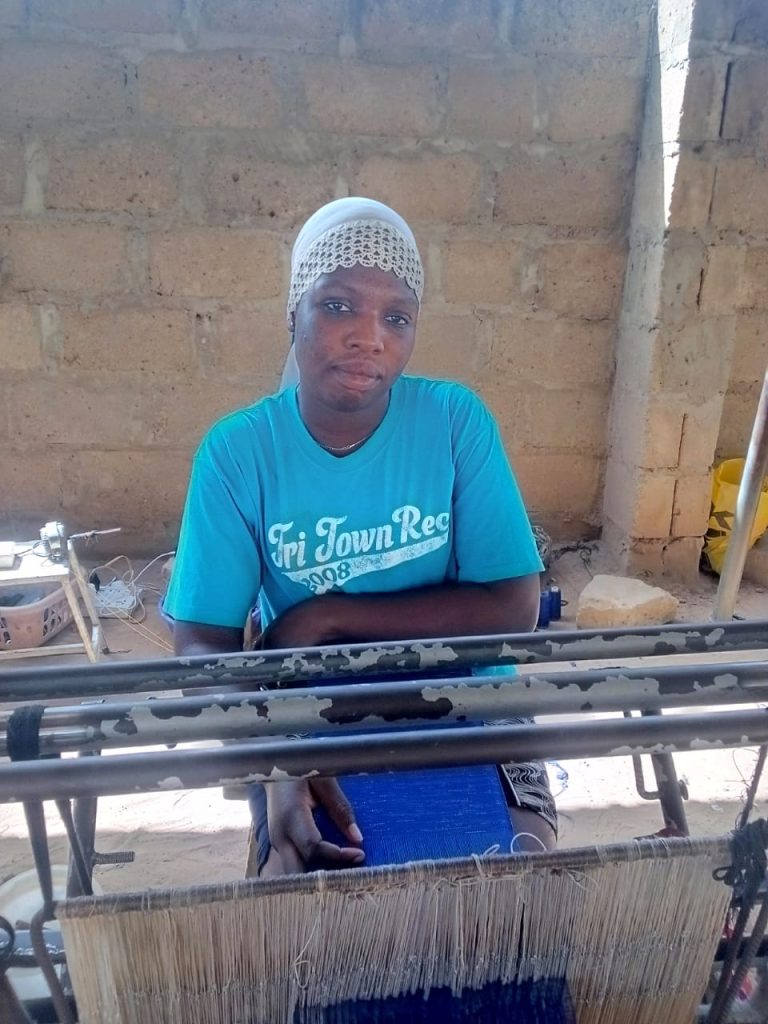
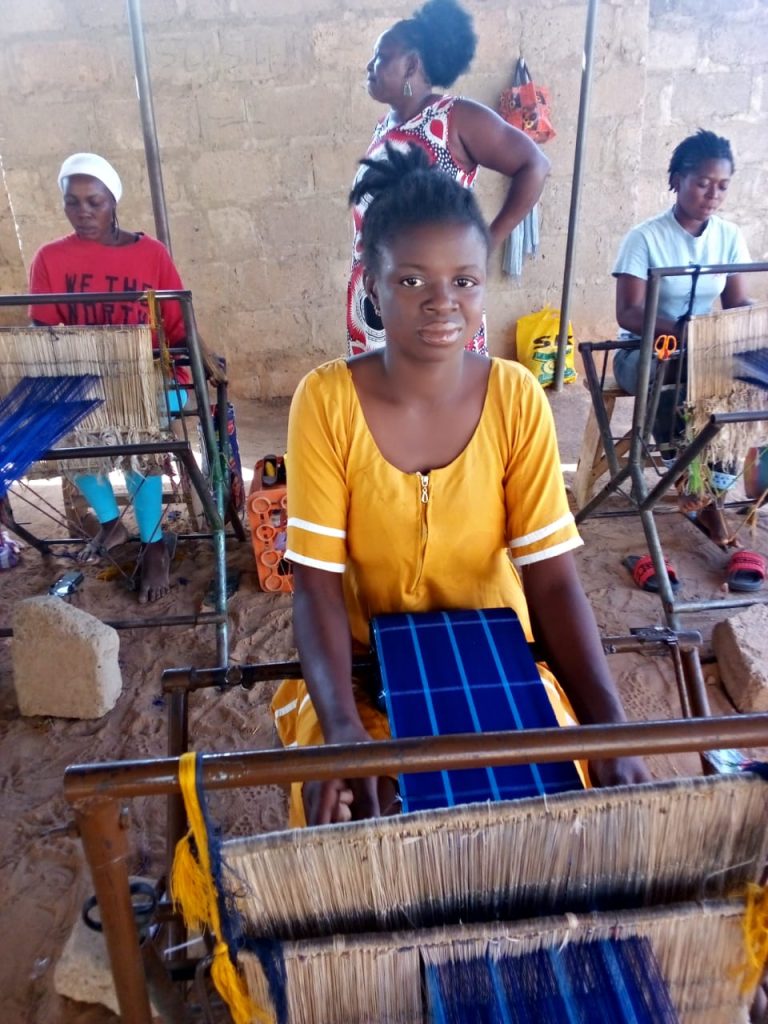
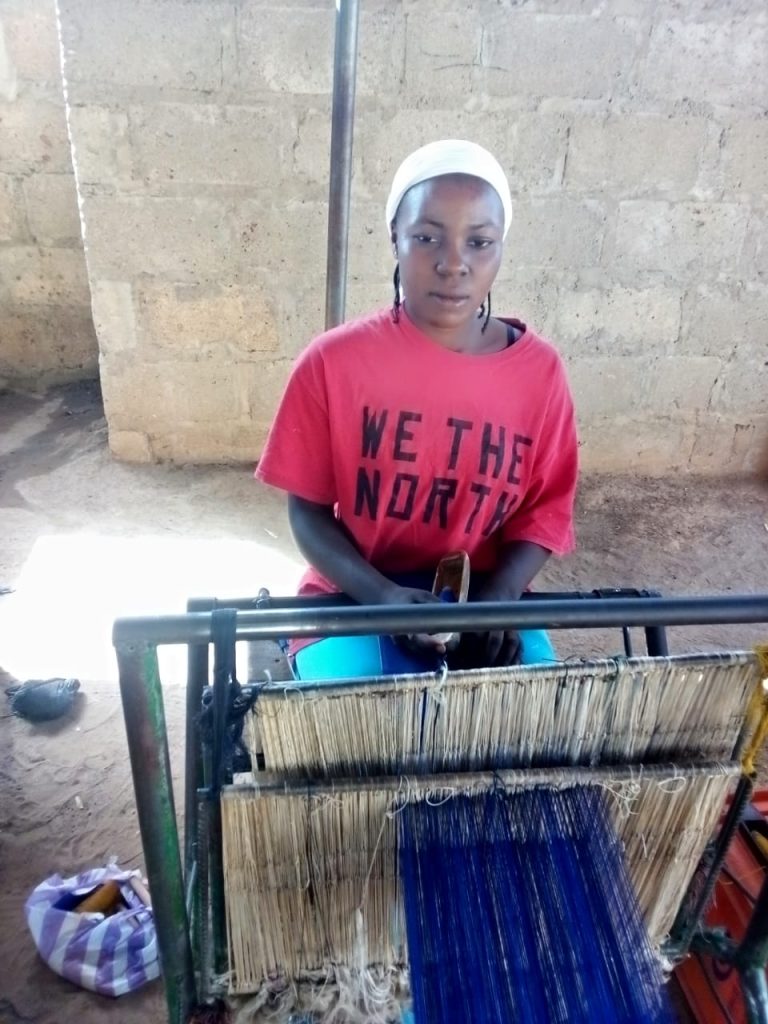
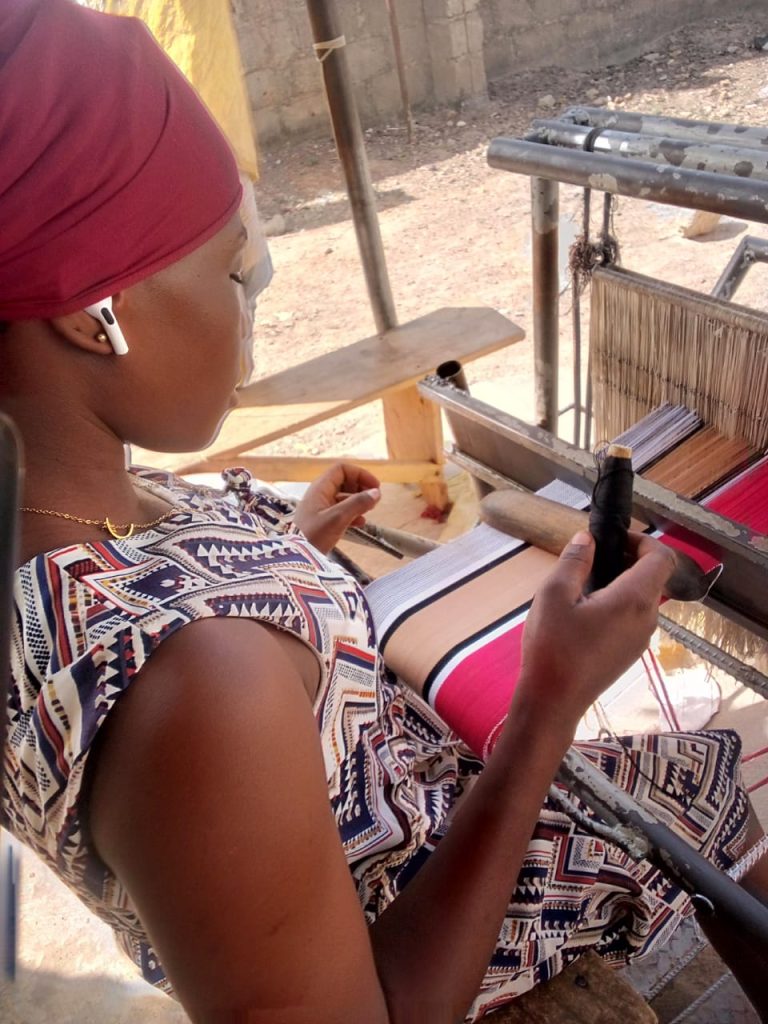
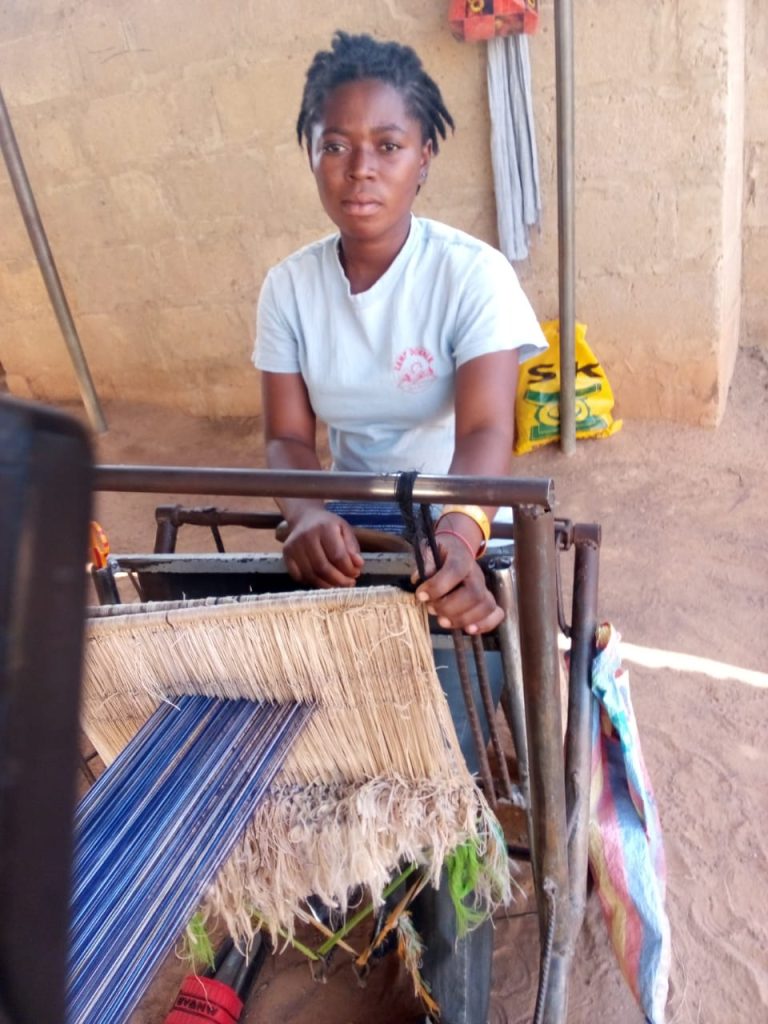
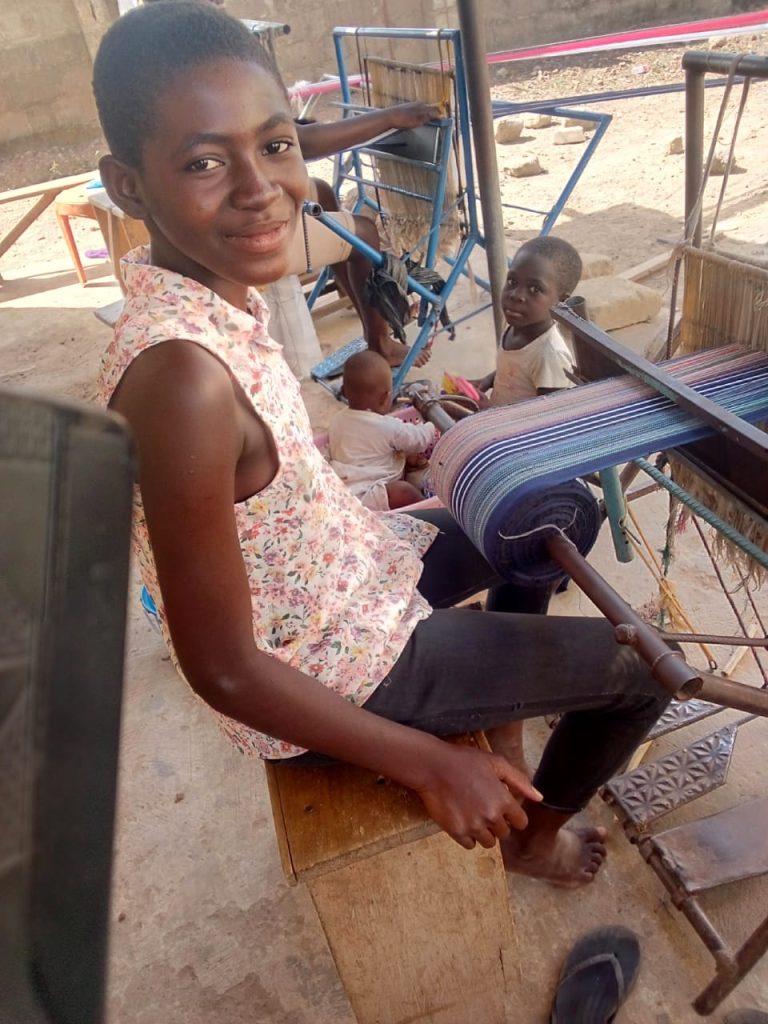
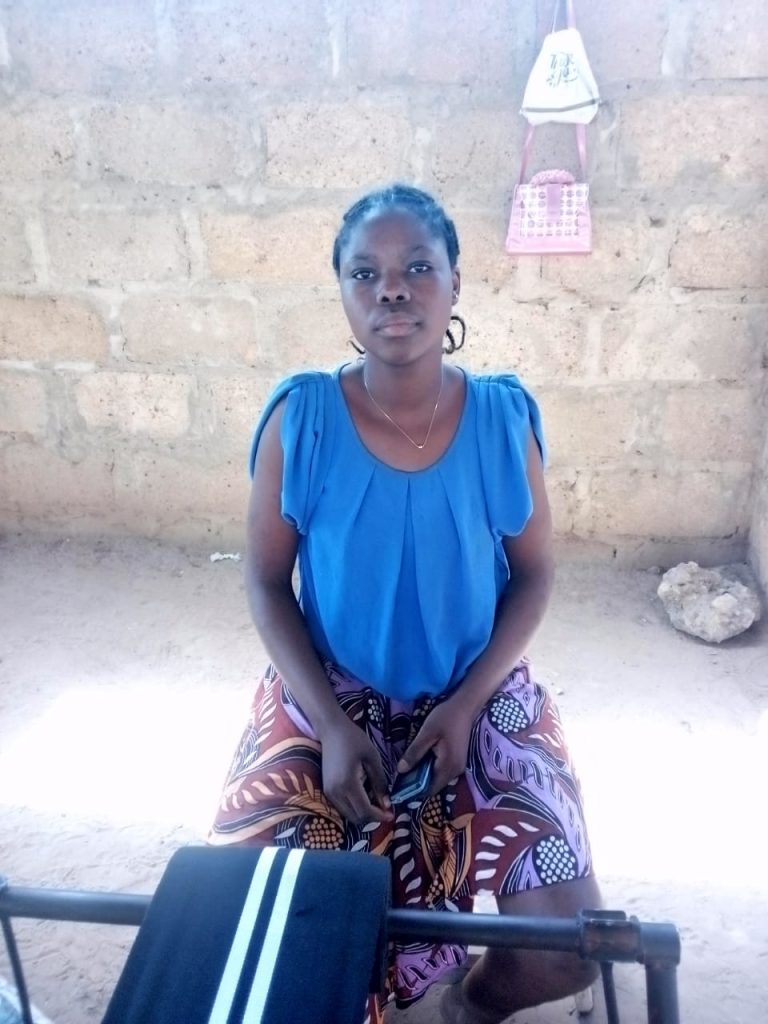
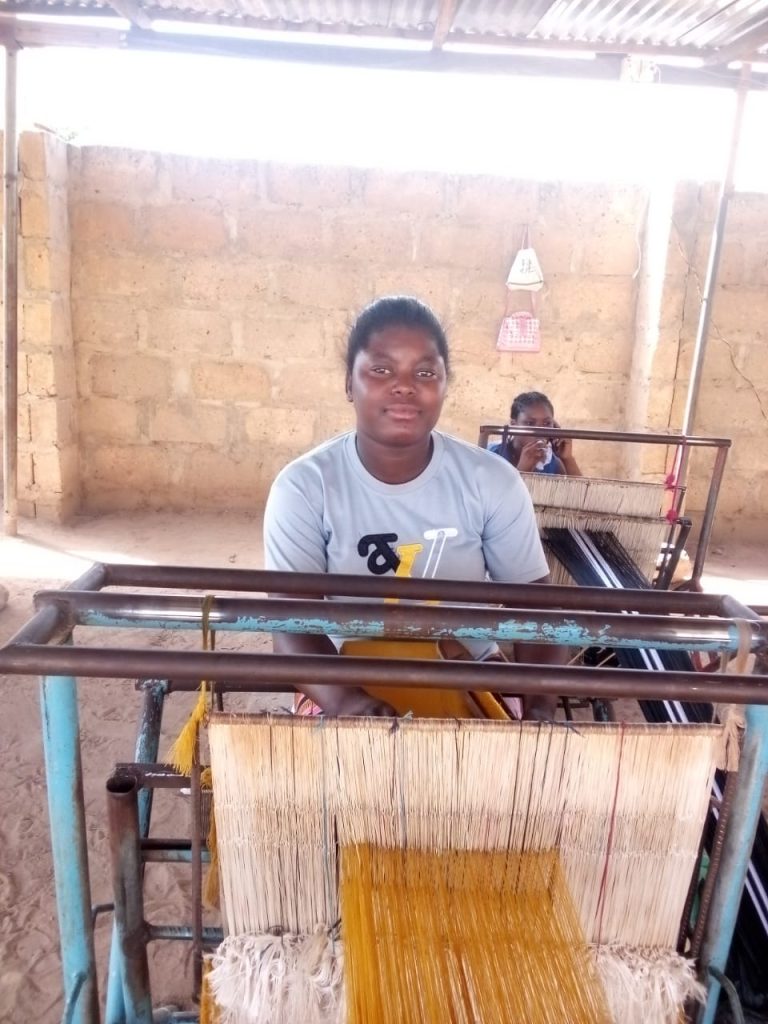
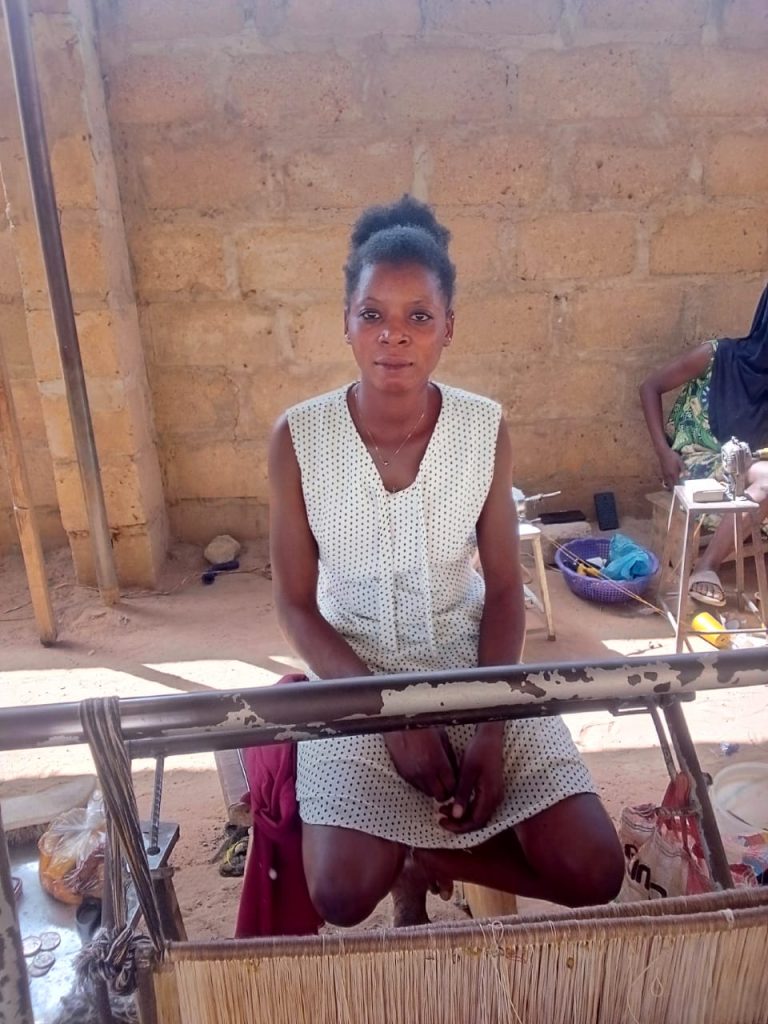
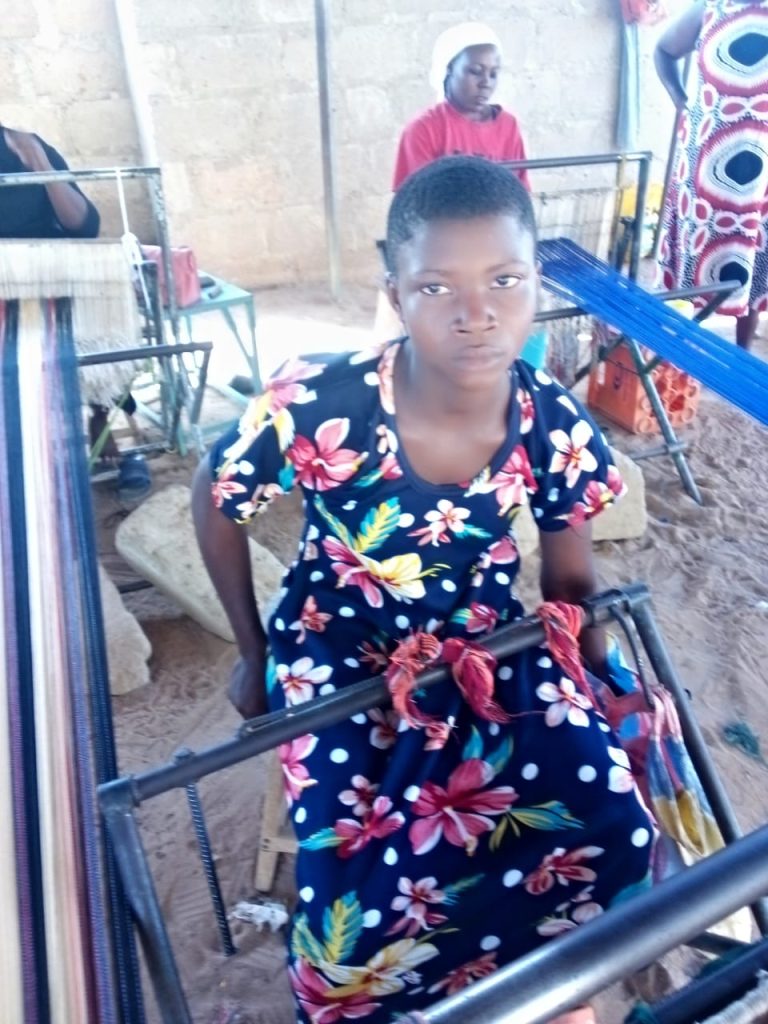
The Women into Weaving Initiative (WIWI) is another transformative project under the Lodoac Brains umbrella, designed to empower women in rural communities with the skill of weaving. Building on the success of the Women into Tailoring Initiative (WITI), WIWI aims to provide young women with another opportunity for economic independence and social empowerment through the acquisition of weaving skills.
Project Genesis
The WIWI project was launched in September 2021 as an extension of the efforts started with WITI, in recognition of the growing demand for traditional woven goods and the potential for young women to thrive in this craft. While tailoring has been the traditional route for many young women, weaving is also an integral part of the cultural heritage in many communities in Ghana. The project was developed to offer an alternative skill set that is not only sustainable but also promotes the preservation of cultural craftsmanship.
Project Overview & Objectives
- Objective 1: Empower Women through Weaving Skills
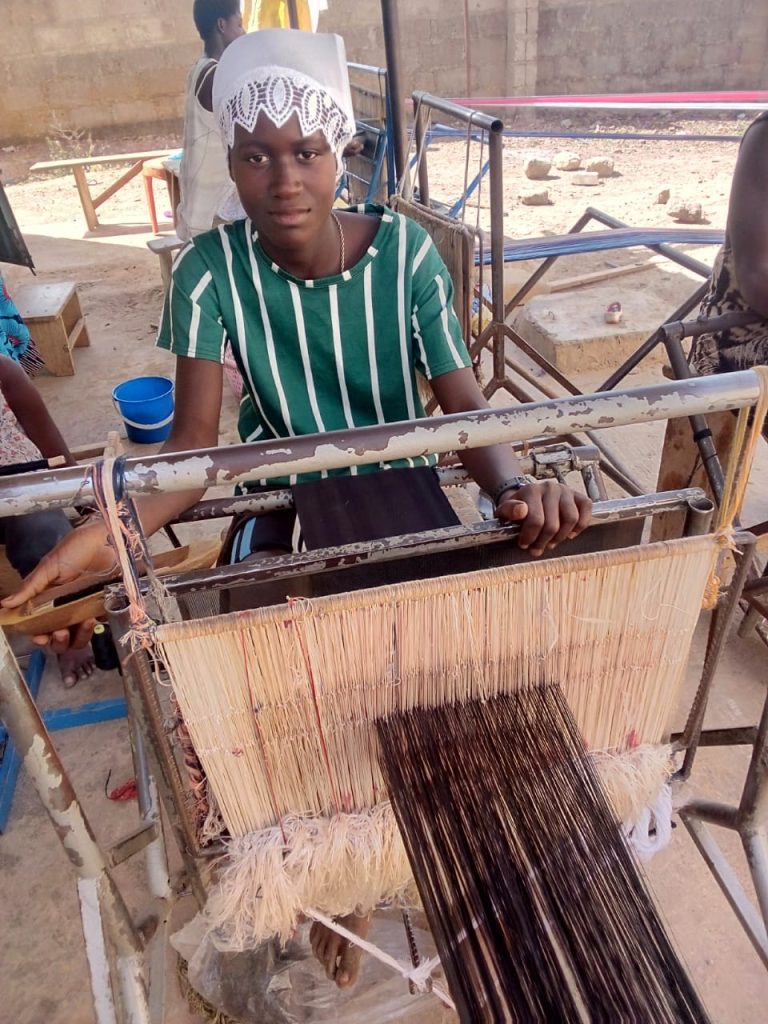
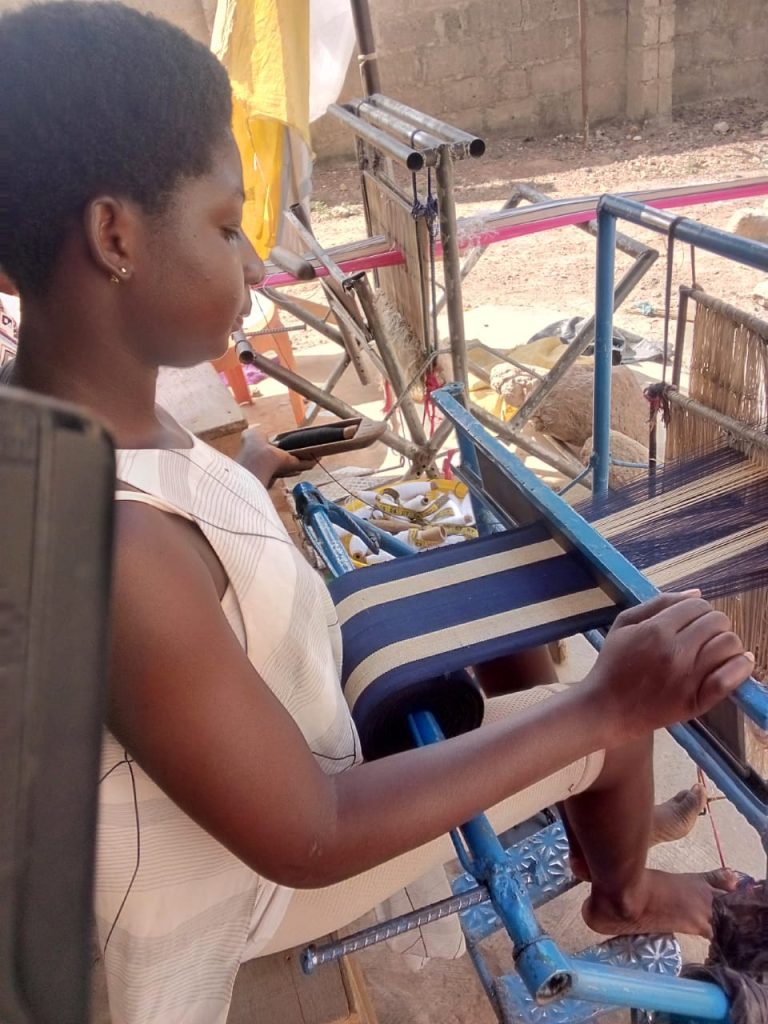
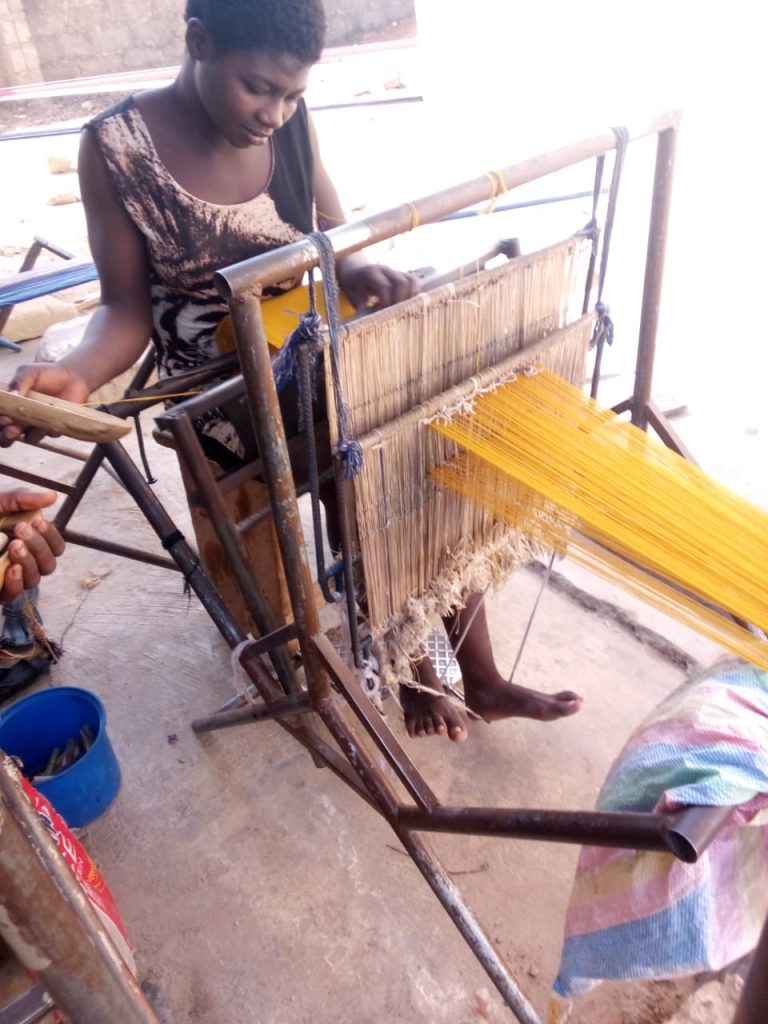
The core aim of WIWI is to empower women by providing them with the technical skills needed to produce high-quality woven goods such as cloths, rugs, mats, and decorative fabrics. These products are in demand both locally and internationally, providing women with opportunities for income generation. - Objective 2: Promote Cultural Heritage and Preservation
As weaving is an age-old craft, WIWI also seeks to preserve and promote Ghanaian and African textile traditions, ensuring that these skills are passed down to the next generation of women artisans. - Objective 3: Fostering Entrepreneurship and Economic Independence
Beyond just teaching weaving techniques, the project aims to instill an entrepreneurial mindset, equipping beneficiaries with the skills to start their own weaving businesses, manage finances, and tap into regional and international markets.
Target Beneficiaries
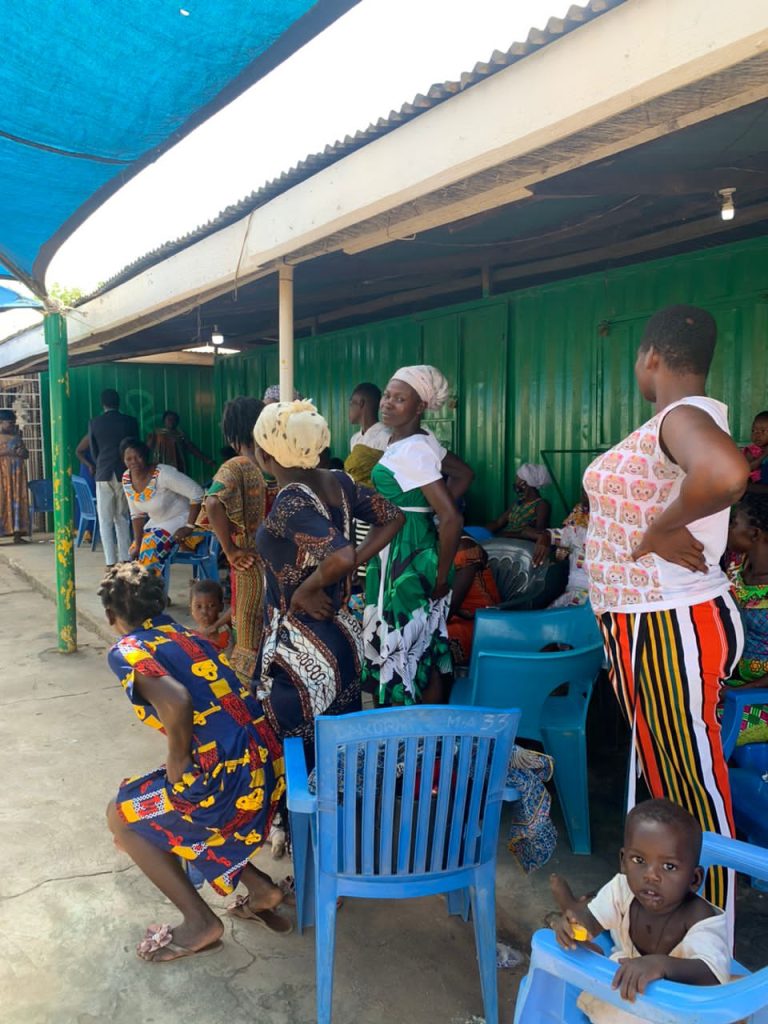
The WIWI project primarily targets young women who face socio-economic difficulties, including those who have been left behind in education or face barriers to economic participation. The target beneficiaries include:
- Orphans who lack the resources to pursue education or vocational training.
- School Dropouts who are unable to access formal education but can benefit from skill-based training.
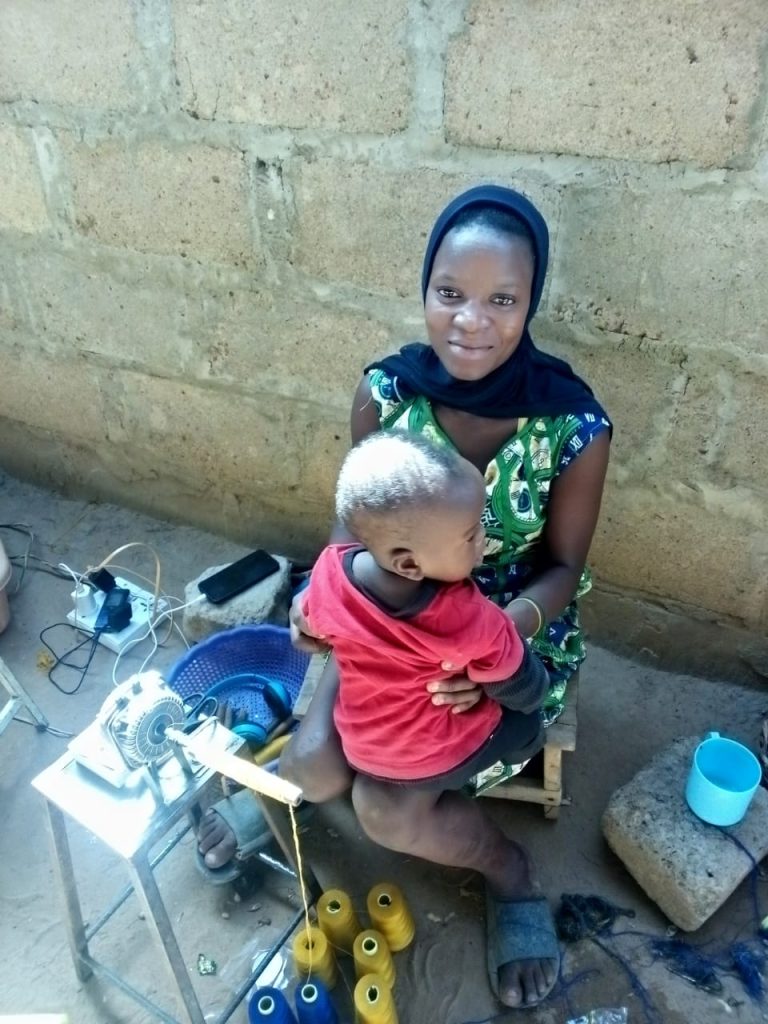
- Teenage Mothers who need an avenue to earn a livelihood and support their families.
- Women from Poverty-Stricken Homes who need access to affordable training for self-reliance.
- Head Potters (Kayayei) who migrate to urban areas for work but are often unable to secure stable employment without a skill.
- Victims of Broken Homes who are looking for an opportunity to regain financial independence.
- Widows who are seeking ways to support their families after the loss of their husbands.
Program Structure & Implementation
- Training Duration:
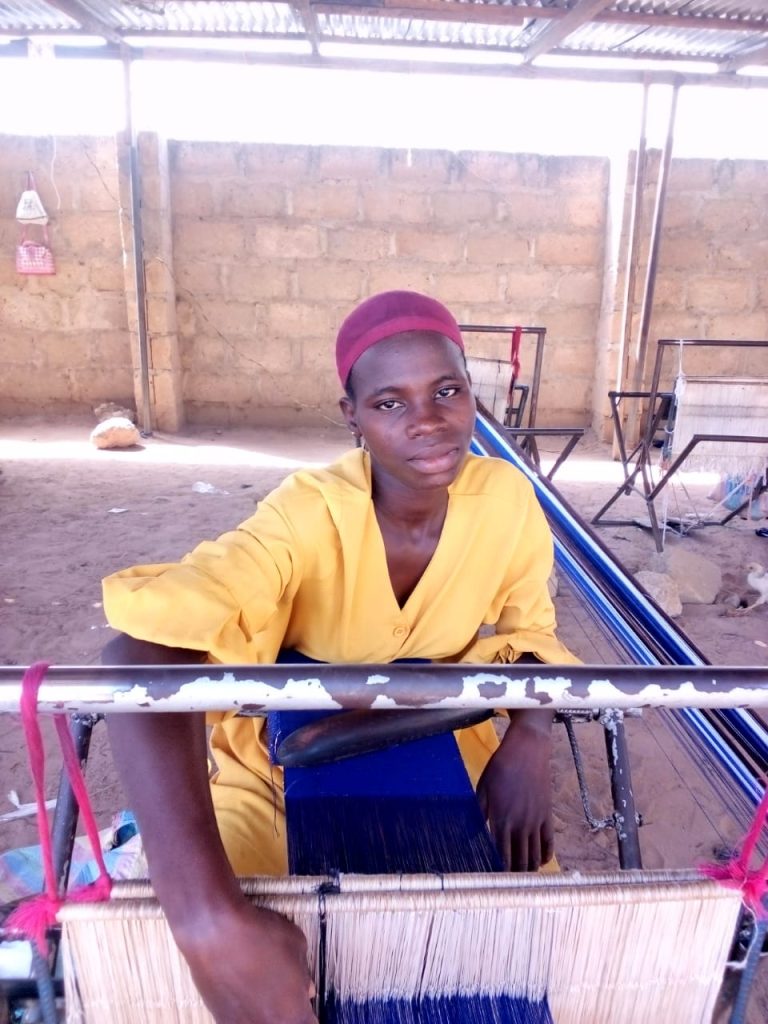
The WIWI program offers 3 years of intensive training that covers all the essential aspects of weaving, including materials and tools handling, traditional techniques, design patterns, and product development. - Resources Provided:
- Weaving Looms and Equipment: Participants receive the necessary equipment to practice their craft, including weaving looms and other tools required for the production process.
- Raw Materials: We provide access to high-quality local raw materials such as cotton, wool, and thread to help women get started with their projects.
- Business Skills: In addition to practical weaving skills, participants receive training in business management, marketing, and sales to enable them to turn their skills into viable businesses.
- Post-Training Support:
The beneficiaries of WIWI are not left to navigate their new journey alone. After completing the program, participants receive ongoing mentorship and support from Lodoac Brains, including advice on marketing their products, finding clients, and expanding their businesses.
Impact of the WIWI Project
Since its launch, the WIWI project has had a profound impact on the lives of its beneficiaries. Some of the key achievements and outcomes include:
- Successful Pilot Program in 2021:
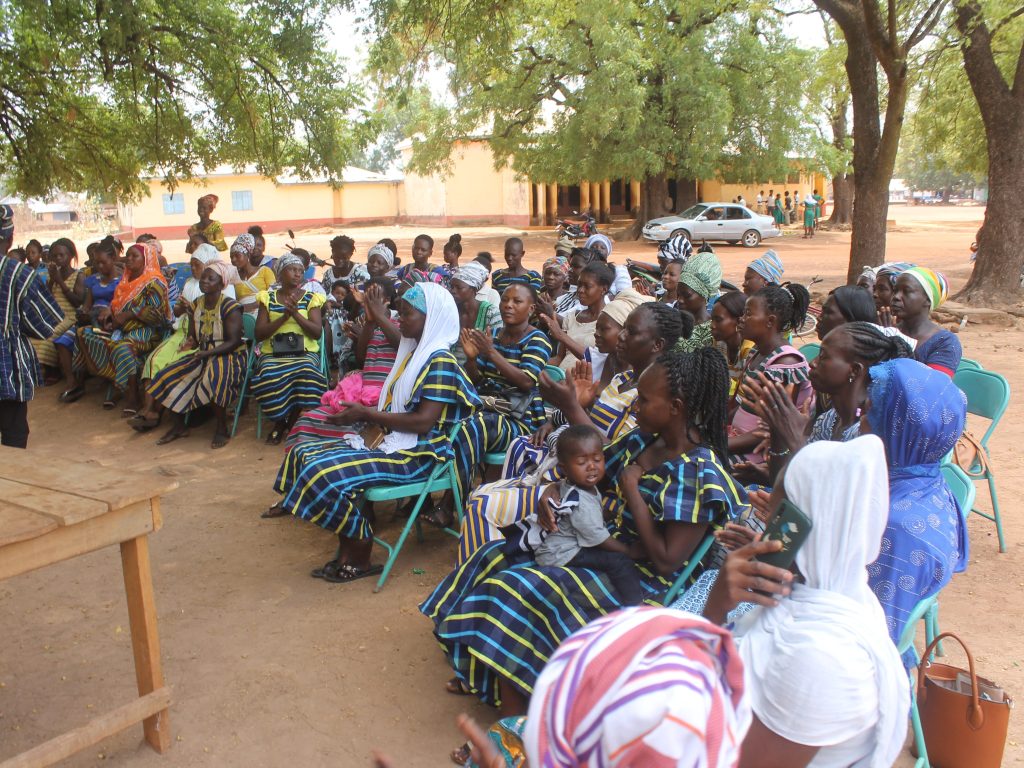
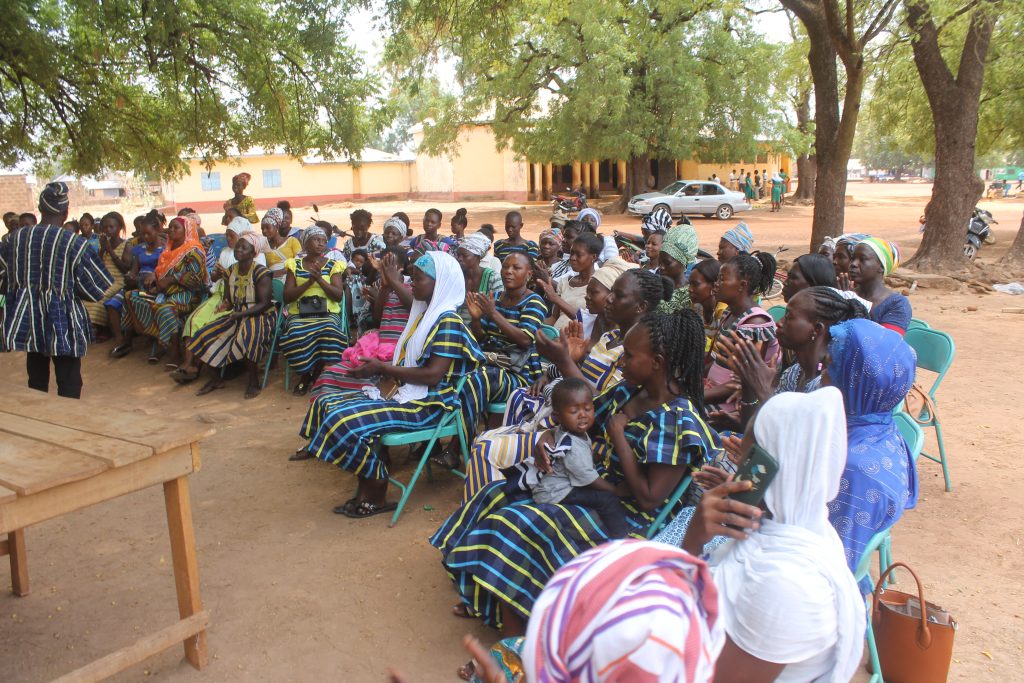
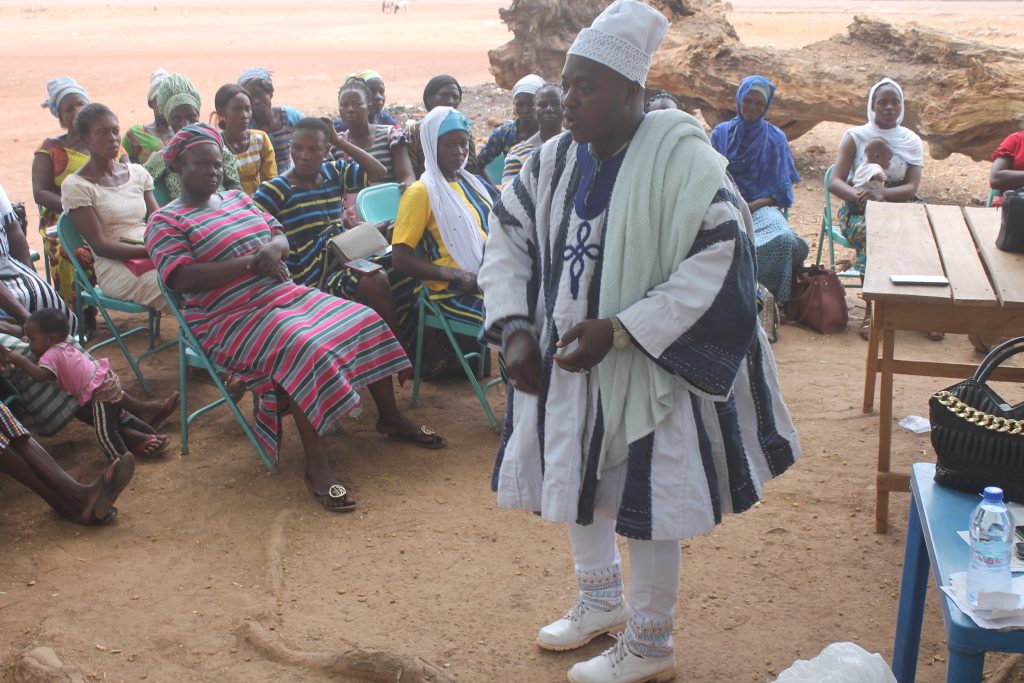
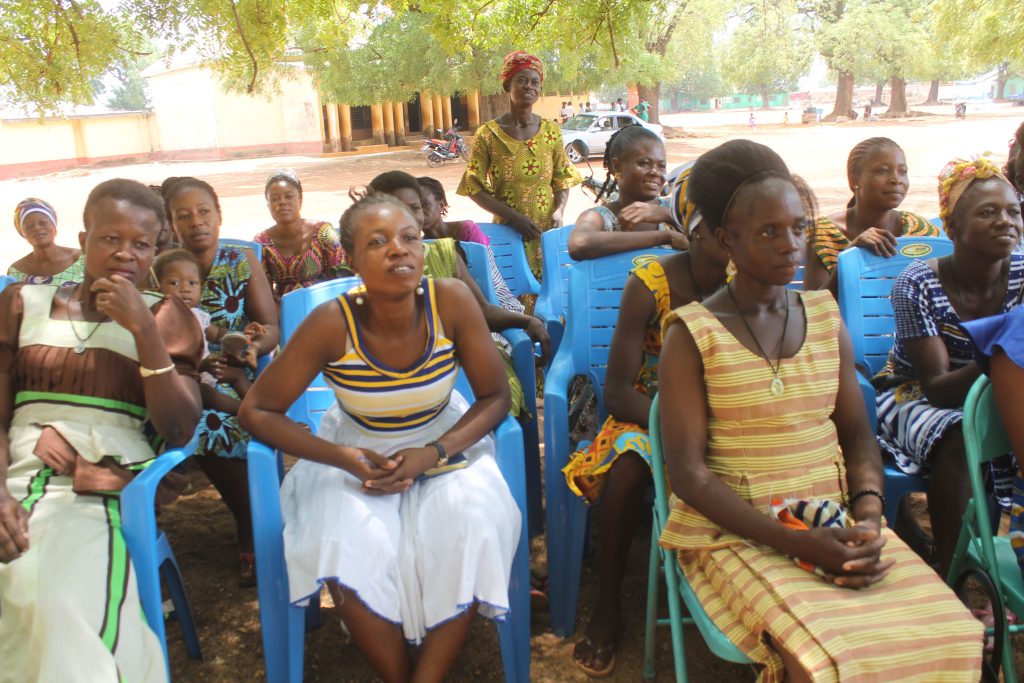
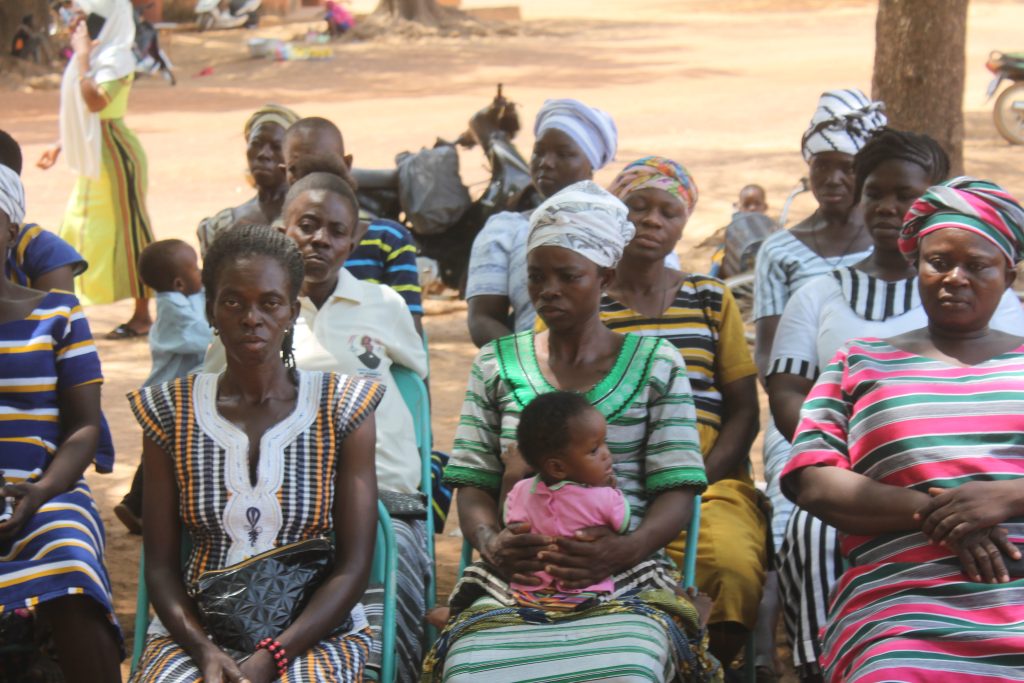
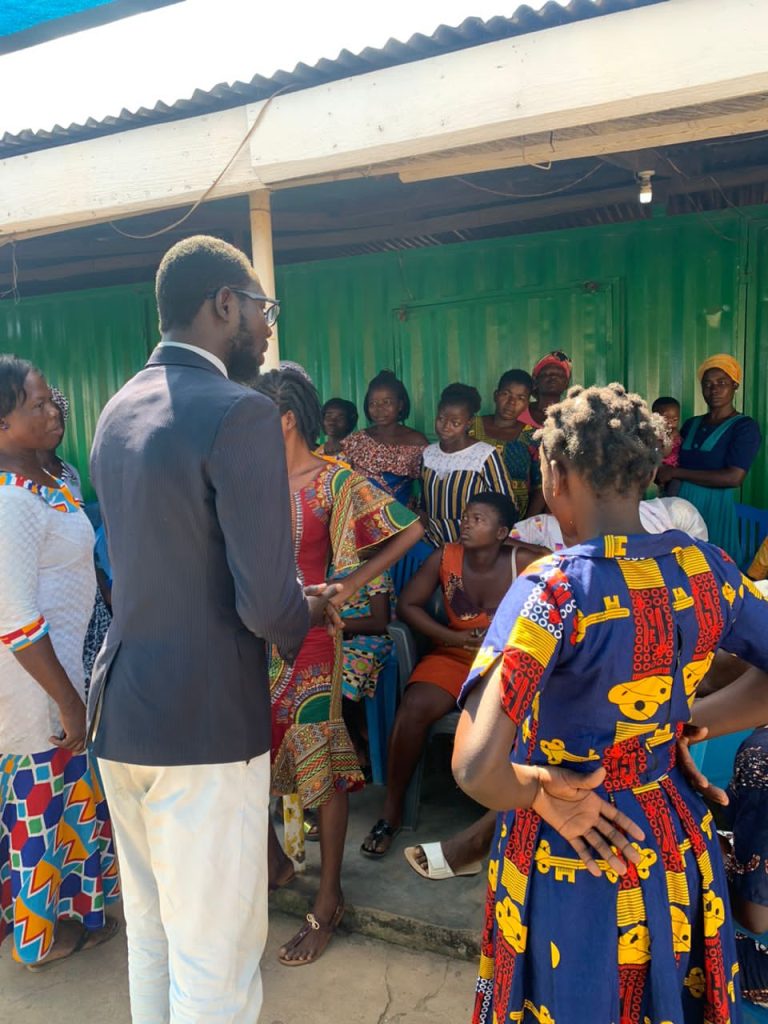
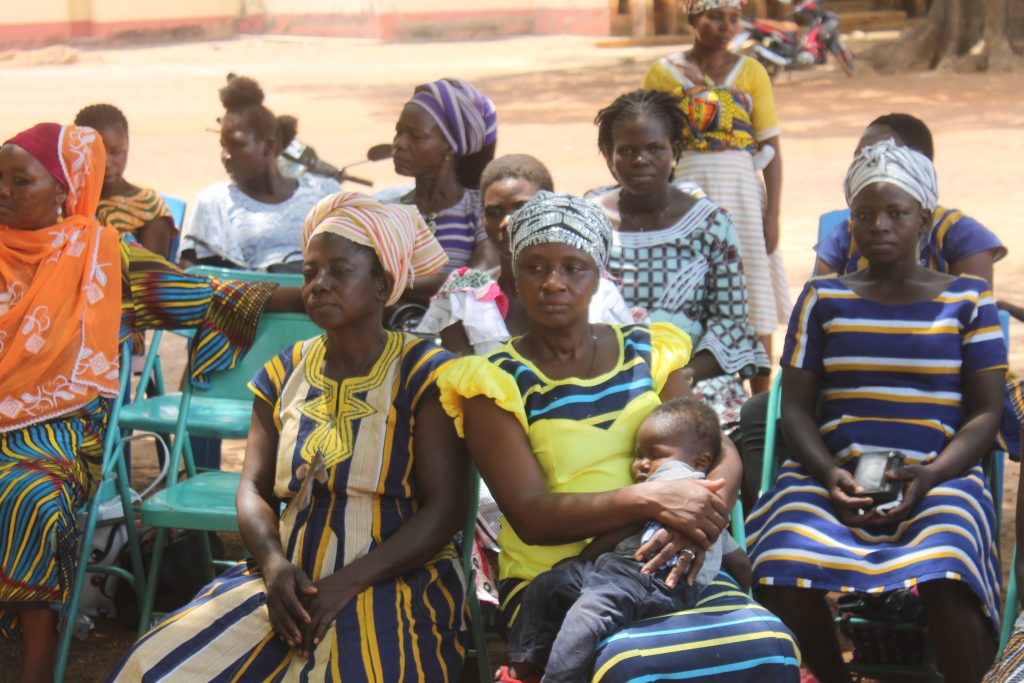
The WIWI project was successfully piloted in late 2021, reaching eight-hundred and thirty-two women across the Upper West Region of Ghana. Through training and empowerment, women have learned to produce high-quality woven goods such as traditional Ghanaian kente, cloths, and mats. - Creation of Sustainable Livelihoods:
The project has helped beneficiaries earn income by selling woven goods both locally and through online platforms, creating self-sustaining businesses. - Job Creation and Community Impact:
As of now, the WIWI initiative has created direct employment for over 832 women, who now have access to better livelihood opportunities. Many women have formed cooperative groups to collaborate on larger orders, helping each other scale their businesses. - Preservation of Cultural Heritage:
Through the WIWI project, beneficiaries are contributing to the preservation and promotion of Ghanaian and African weaving traditions, which have cultural and historical significance. - Business Expansion and Growth:
Many trainers have expanded their weaving shops and hired additional workers, creating a ripple effect of job creation in their communities, generating an income and fostering an entrepreneurial spirit.
Why the WIWI Project Matters for Investors & Donors
The WIWI project offers a unique opportunity for investors and donors to contribute to the economic empowerment of women, while also promoting cultural preservation and sustainable development in rural areas. Here’s why you should consider supporting the initiative:
- Promoting Gender Equality and Empowerment:
Investing in WIWI means helping to create a more gender-equal society by enabling women to become financially independent, self-sufficient, and entrepreneurial. - Supporting Cultural Preservation:
Your support helps protect and sustain traditional weaving practices, ensuring that these important cultural heritage crafts are passed down through generations and remain relevant in the modern market. - Creating Sustainable and Scalable Solutions:
The WIWI project provides women with the tools and skills to build sustainable businesses. As more women graduate from the program, they will continue to foster a culture of entrepreneurship and job creation in their communities, resulting in long-term economic benefits. - Alignment with the SDGs:
The WIWI project directly contributes to the United Nations Sustainable Development Goals (SDGs), particularly SDG 5 (Gender Equality), SDG 8 (Decent Work and Economic Growth), and SDG 12 (Responsible Consumption and Production). By investing in this initiative, you are supporting global development goals that promote empowerment, economic growth, and sustainability. - Scalable and Impactful:
The project has already proven to be successful in its pilot phase, and we are now looking to expand. Your investment or partnership will enable us to scale the initiative to more regions in Ghana and across Africa, impacting thousands more women and creating significant social and economic change.
Future Goals & Sustainability Plan
Lodoac Brains is committed to ensuring that the WIWI program remains sustainable and impactful. Our future plans for the initiative include:
- Expansion Across Ghana and Beyond:
We aim to take WIWI to more regions within Ghana and even to neighboring countries, providing access to weaving training to thousands of additional women across the continent. - Digital Platform for Weaving Education:
To further expand the reach of the WIWI program, we are exploring the development of a digital platform where women can learn weaving techniques and business skills online, overcoming geographical barriers. - Partnerships and Market Expansion:
We are actively seeking partnerships with local, national, and international stakeholders to help expand the market for woven goods, as well as to improve the training resources and support available to beneficiaries. - Sustainability Through Cooperative Models:
We plan to support the creation of women-led cooperatives, where groups of trained women can share resources, collaborate on large orders, and scale their businesses together.
Join Us in Empowering Women through Weaving
The WIWI project is transforming lives by equipping women with a skill that offers both cultural value and economic opportunities. By investing in this initiative, you will be empowering women to become successful entrepreneurs and contributing to the sustainable development of their communities.
We invite you to partner with Lodoac Brains in expanding the reach of WIWI, fostering economic independence, preserving cultural heritage, and making a lasting impact on women and communities across Africa.
PICTURE GALLERY